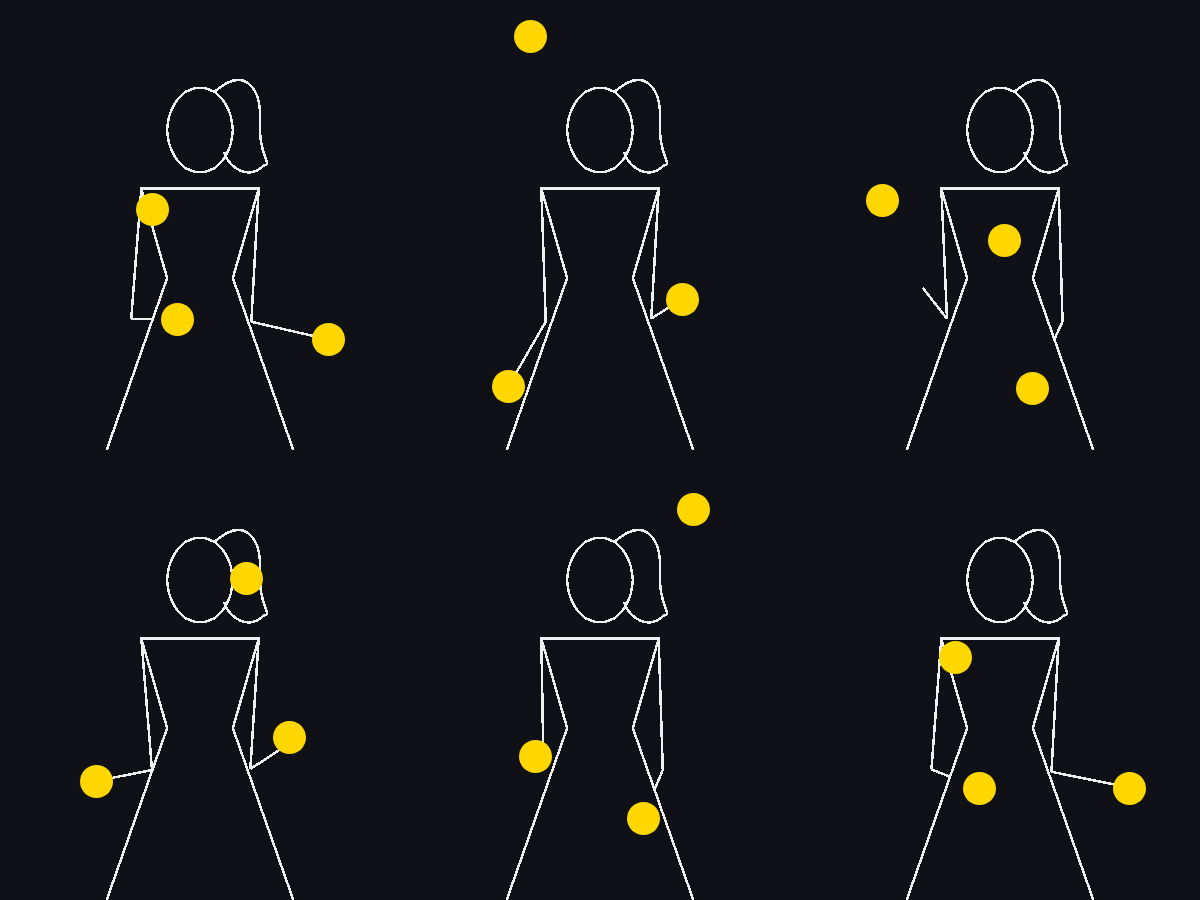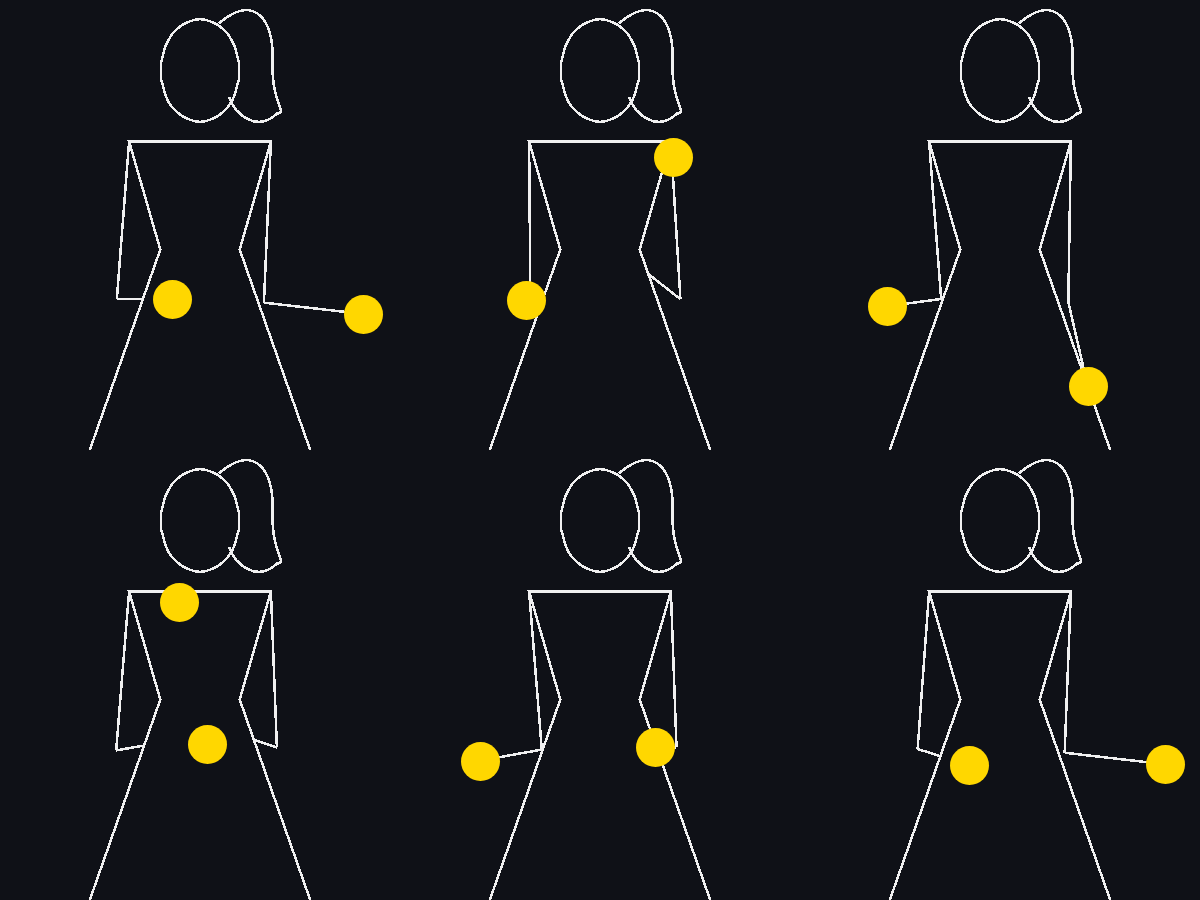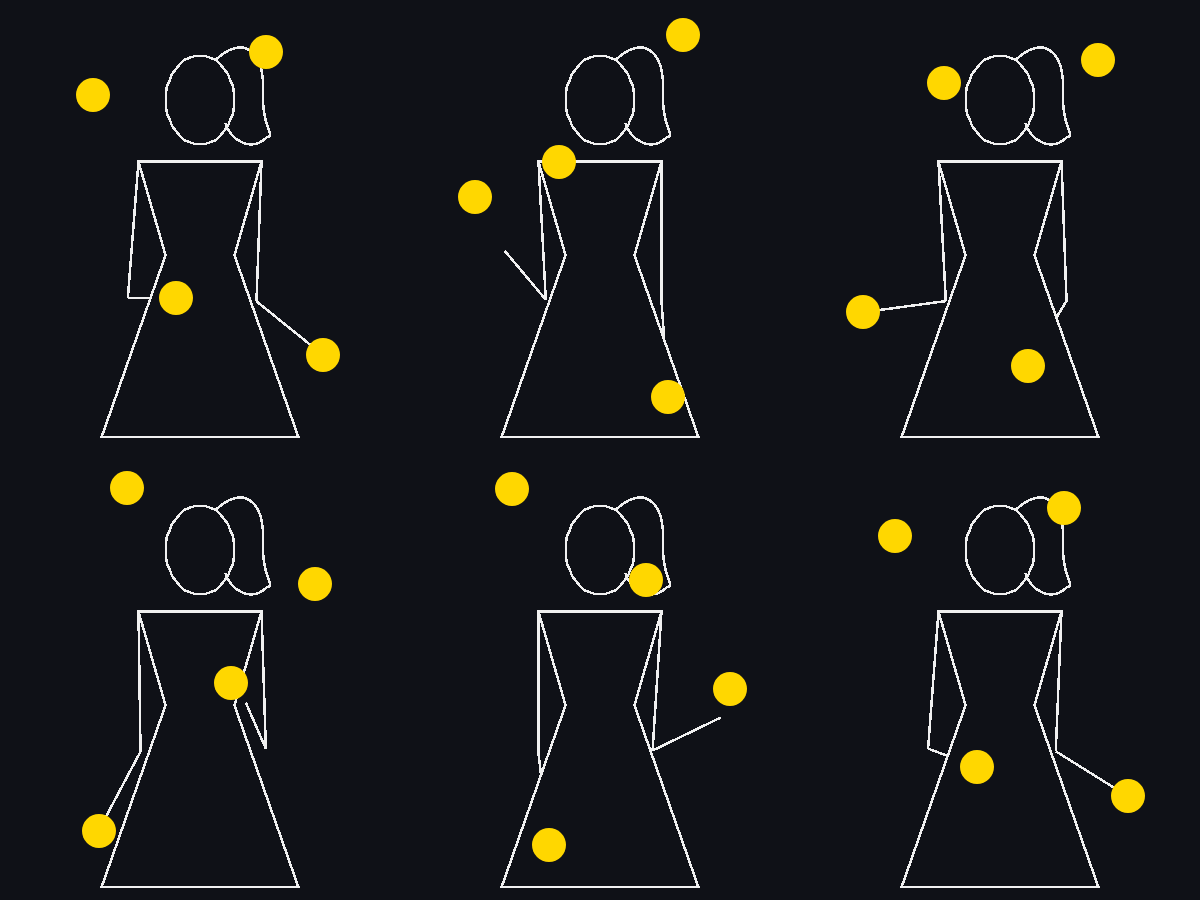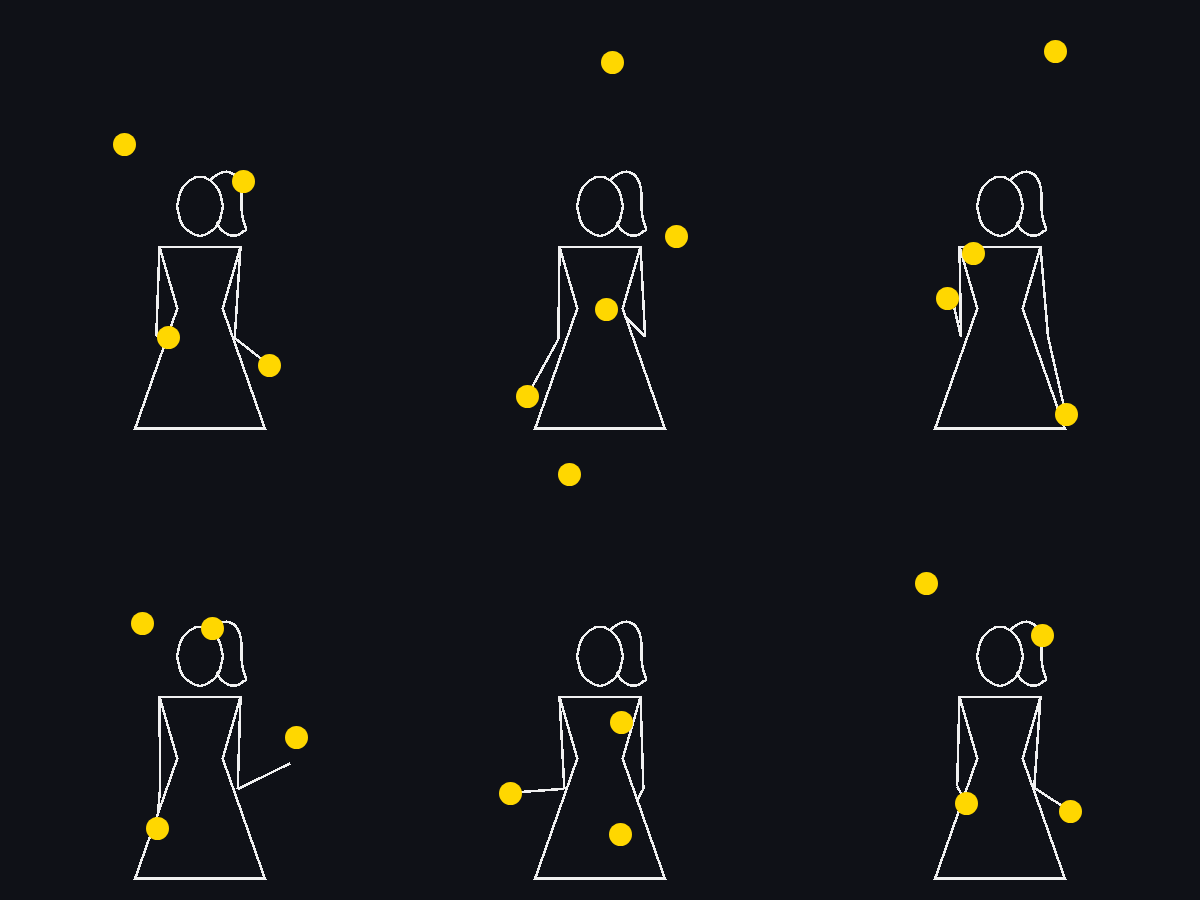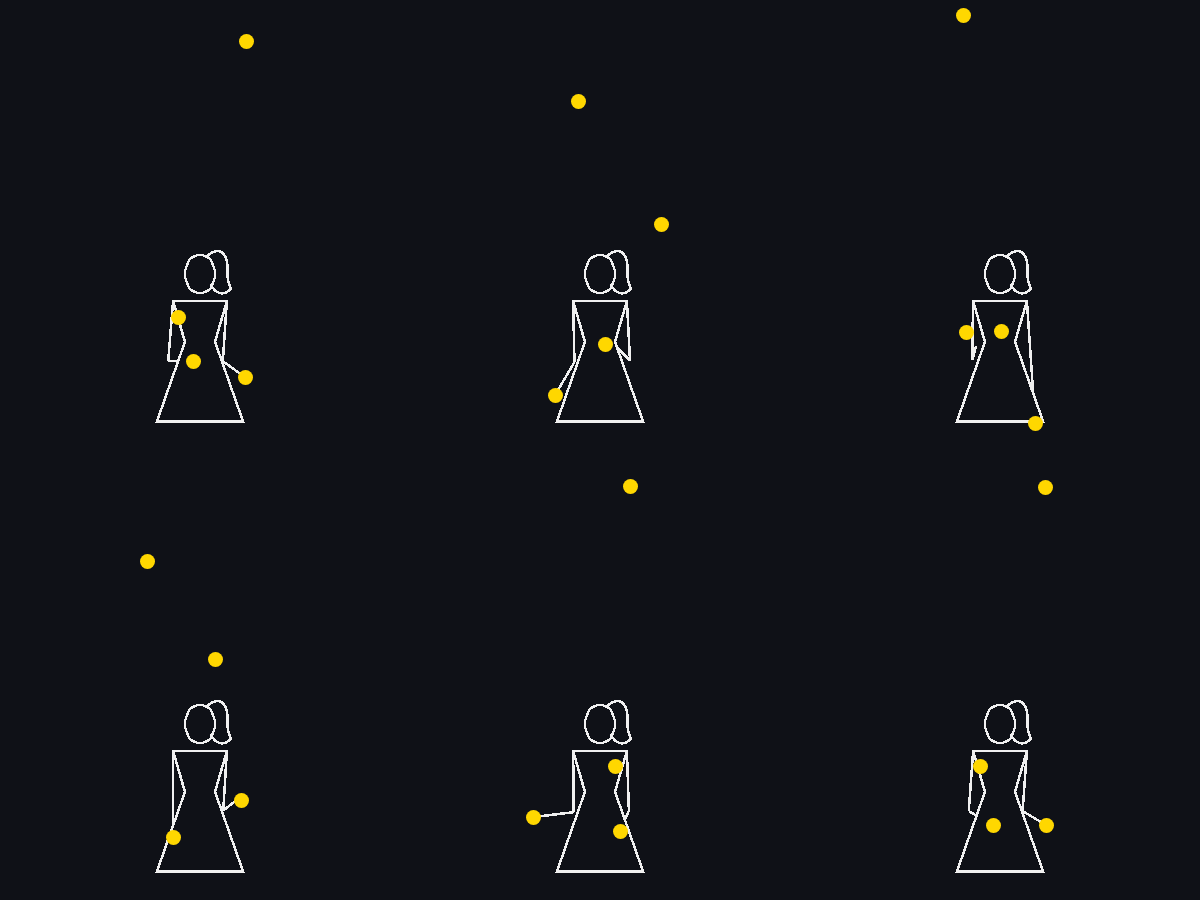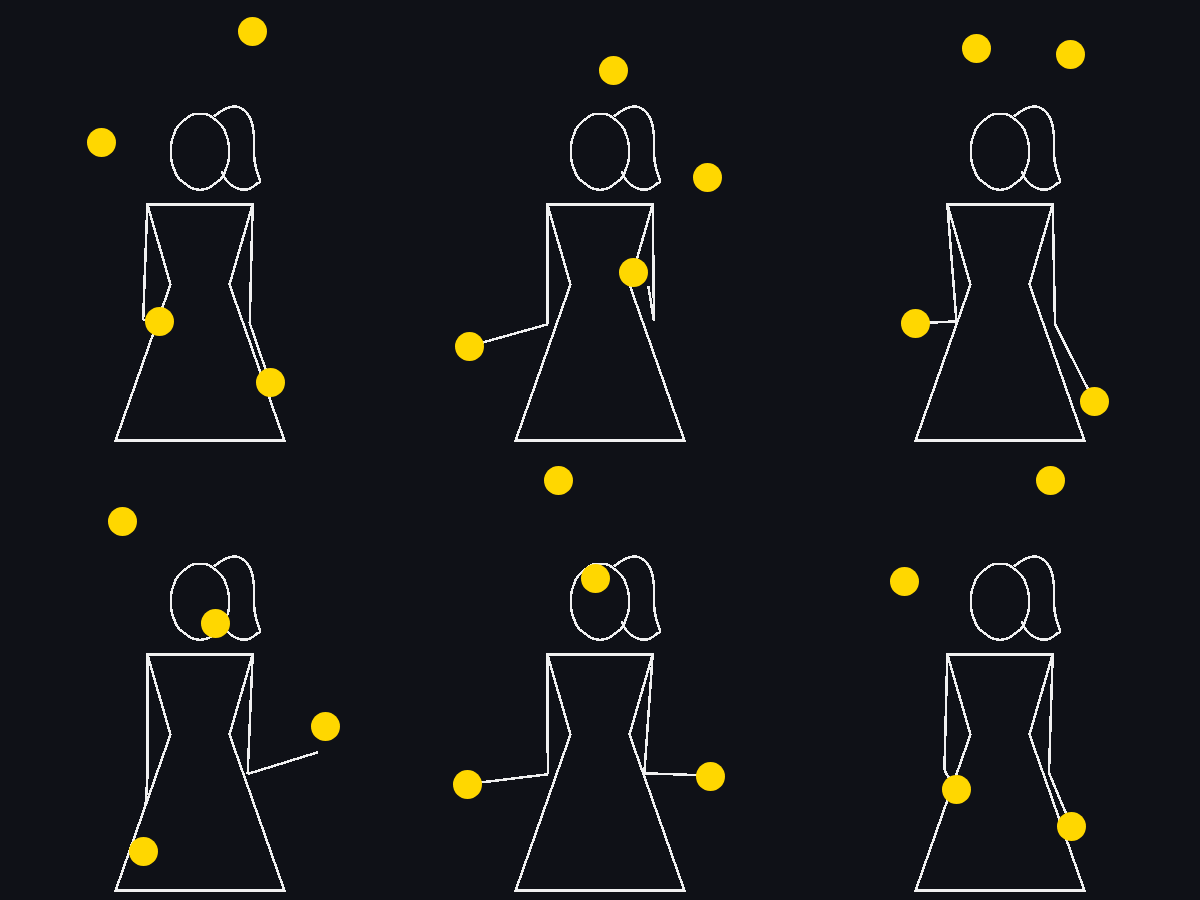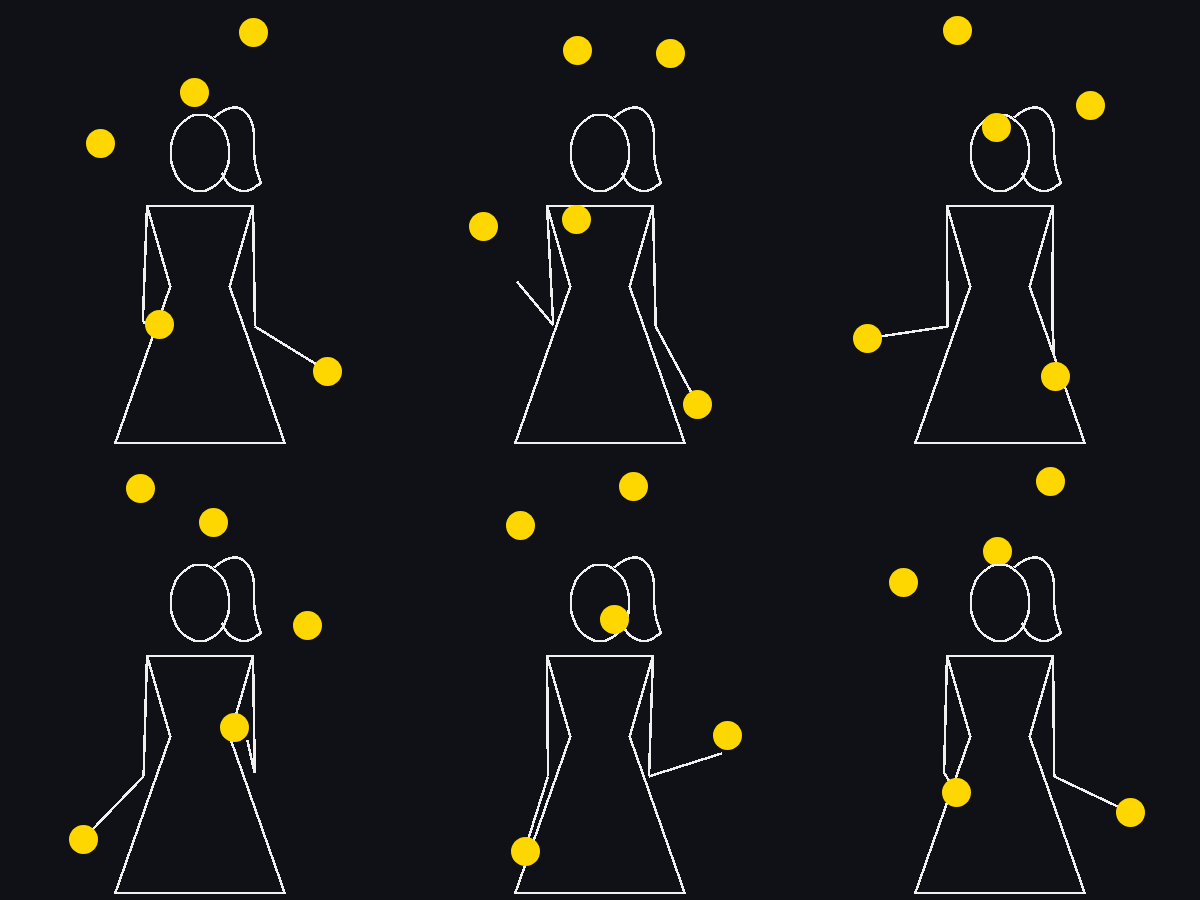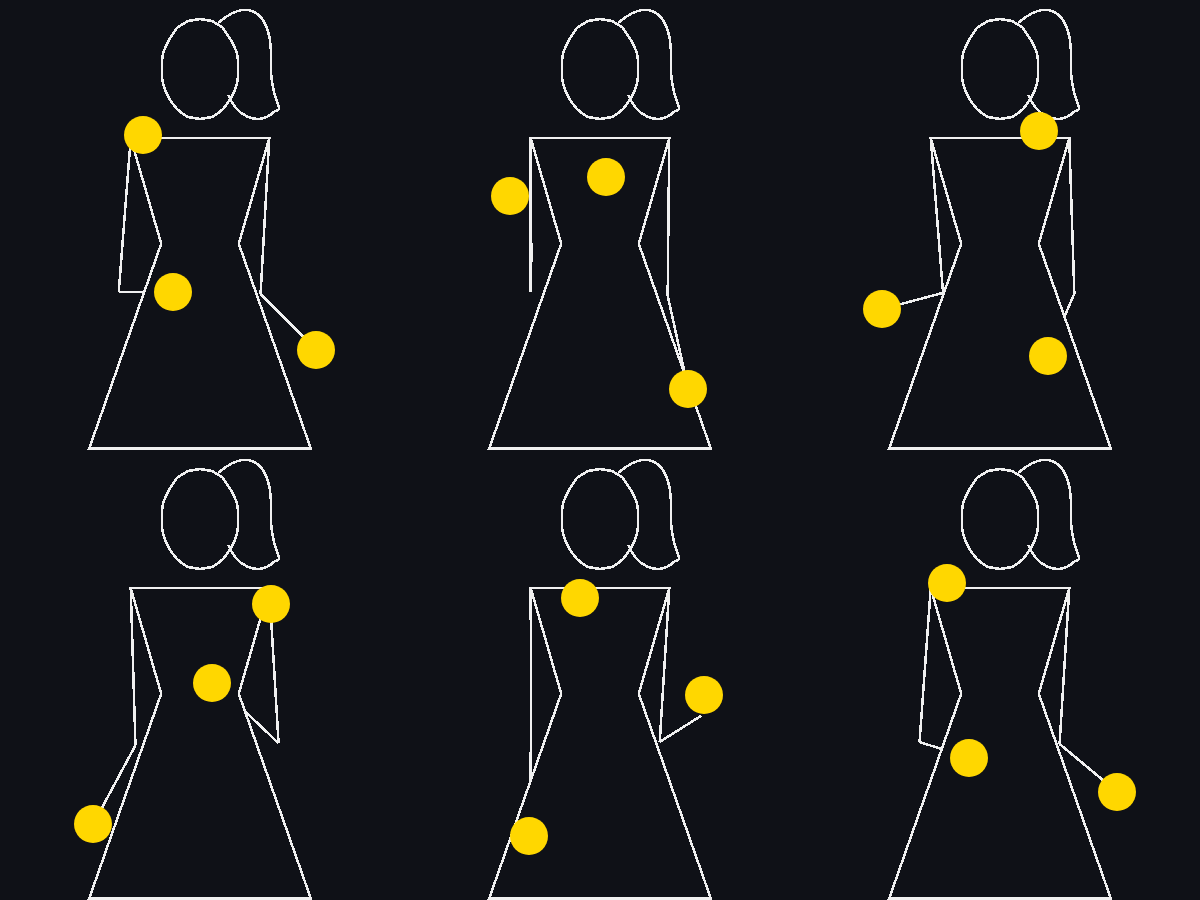
Siteswap 3
Three-Ball Cascade
The foundation. Every juggler starts here. Each throw takes three beats to return.
11 patterns
Each pattern below is an actual JugglingLab simulation - the same mathematics, the same gravity, the same physics every juggler runs through their hands. The notation is siteswap: a digit is how many beats before that prop is thrown again. Higher numbers mean higher throws.
Section 1
The foundation. Where every juggler starts.
6 patterns
Siteswap 3
The foundation. Every juggler starts here. Each throw takes three beats to return.
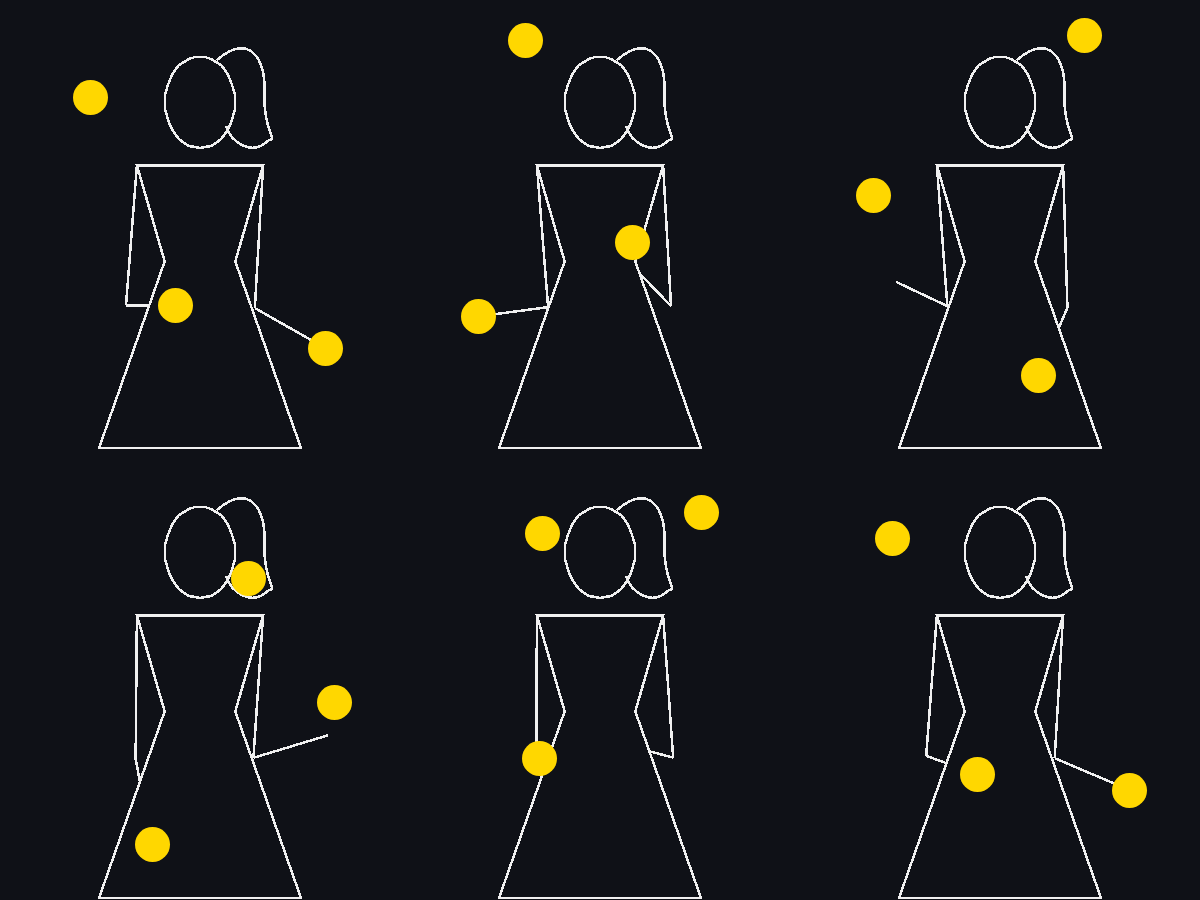
Siteswap 423
Cascade with a hold. One ball pauses while the others flow. The 4 buys time, the 2 is a held beat.
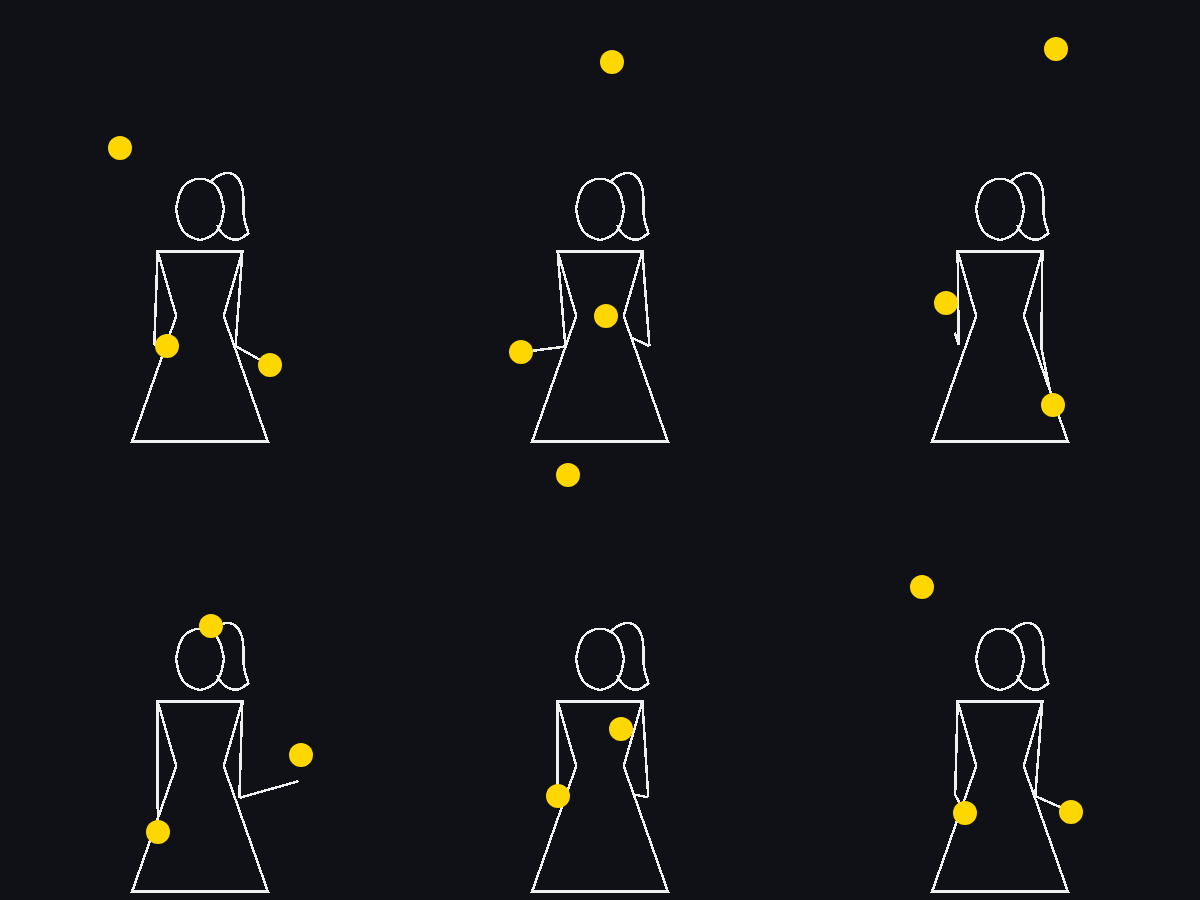
Siteswap 441
A Mills' Mess building block. Cross-arm magic. The 1 hand-passes while the 4s arc high.
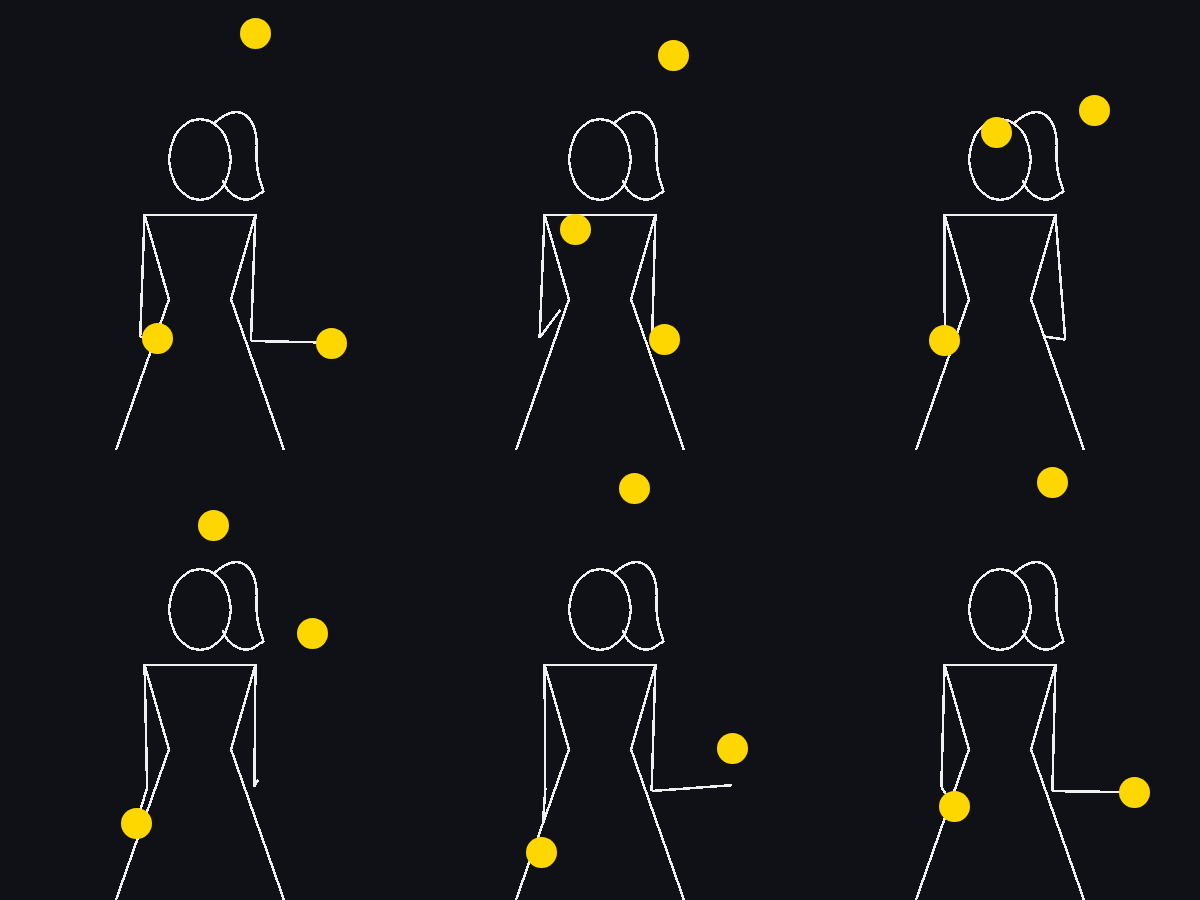
Siteswap 531
Asymmetric beauty. High throw, low throw, hold. Three different timing windows in one cycle.
Siteswap 51
All balls travel one direction in a circle. Visually iconic. Looks like more balls than there are.
Siteswap 312
The box foundation. Square patterns from round throws. The 1 is a quiet hand-to-hand pass.
Section 2
Two parallel tracks. Each hand runs its own loop.
4 patterns
Siteswap 4
Four balls, two in each hand. Independent columns - each hand runs its own loop, no crossing.
Siteswap 534
Four-ball half-shower. Asymmetric with a pause. Three different heights weave through each other.
Siteswap 633
Symmetric 4-ball with holds. Meditative rhythm. A high throw followed by two equal mediums.
Siteswap 552
Four-ball cascade feel. Two highs and a hold. The 2 is the rest beat that makes it possible.
Section 3
The milestone. The same pattern, the higher load.
1 pattern
Siteswap 5
Five balls. The milestone. Same grammar as the three-ball, higher arcs, smaller margin.
Reading siteswap
Siteswap notation describes a pattern by what each throw does. Read each digit as: how many beats before this object is thrown again. A 3 means three beats. A 5 means five beats - higher, longer in the air. Odd numbers cross to the opposite hand. Even numbers return to the same hand. A 2 is a hold. A 1 is a quick hand-to-hand pass.
Average the digits in a pattern: the mean is the number of objects. Cascade "3" averages 3. The "531" averages 3 too - same number of balls, different rhythm. The "534" averages 4 - same idea, one more ball. The math always tells you what is in the air.
Want to learn the cascade first?
Every pattern on this page assumes you have the three-ball cascade in your hands. It is the grammar of all juggling.
Pattern animations powered byJugglingLab, theopen-sourcejuggling simulator by Jack Boyce. The juggling physics, timing, gravity, and siteswap simulation come directly from JugglingLab. We customized the visual rendering with a feminine avatar and a dark interface to match this site.