Siteswap 3
The Cascade
The foundation. Three balls, two hands, one repeating arc. Every other pattern is built from understanding this one first.
AWS Hero · Juggler · Vienna
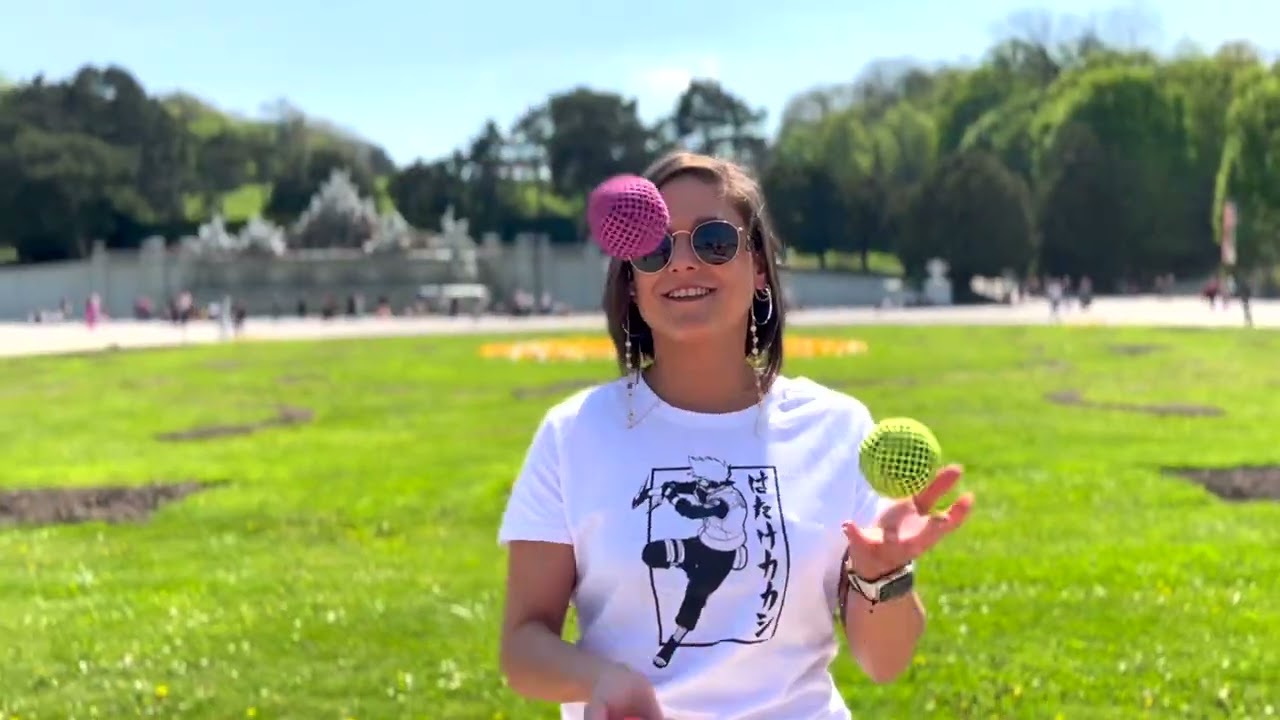
Juggling has no prerequisites. Linda Mohamed - AWS Hero, keynote speaker, and juggler - explores what happens when you stop choosing between the technical and the human, and keep everything moving at once.
On stage from Las Vegas to Istanbul. In workshops, in conference rooms, and on the road - bringing the pattern that connects brain science, cloud systems, and the courage to change.
The language of the pattern
Every juggling pattern has a notation: siteswap. A number is how many beats before that prop is thrown again. Higher numbers mean more time in the air. Three patterns worth knowing.
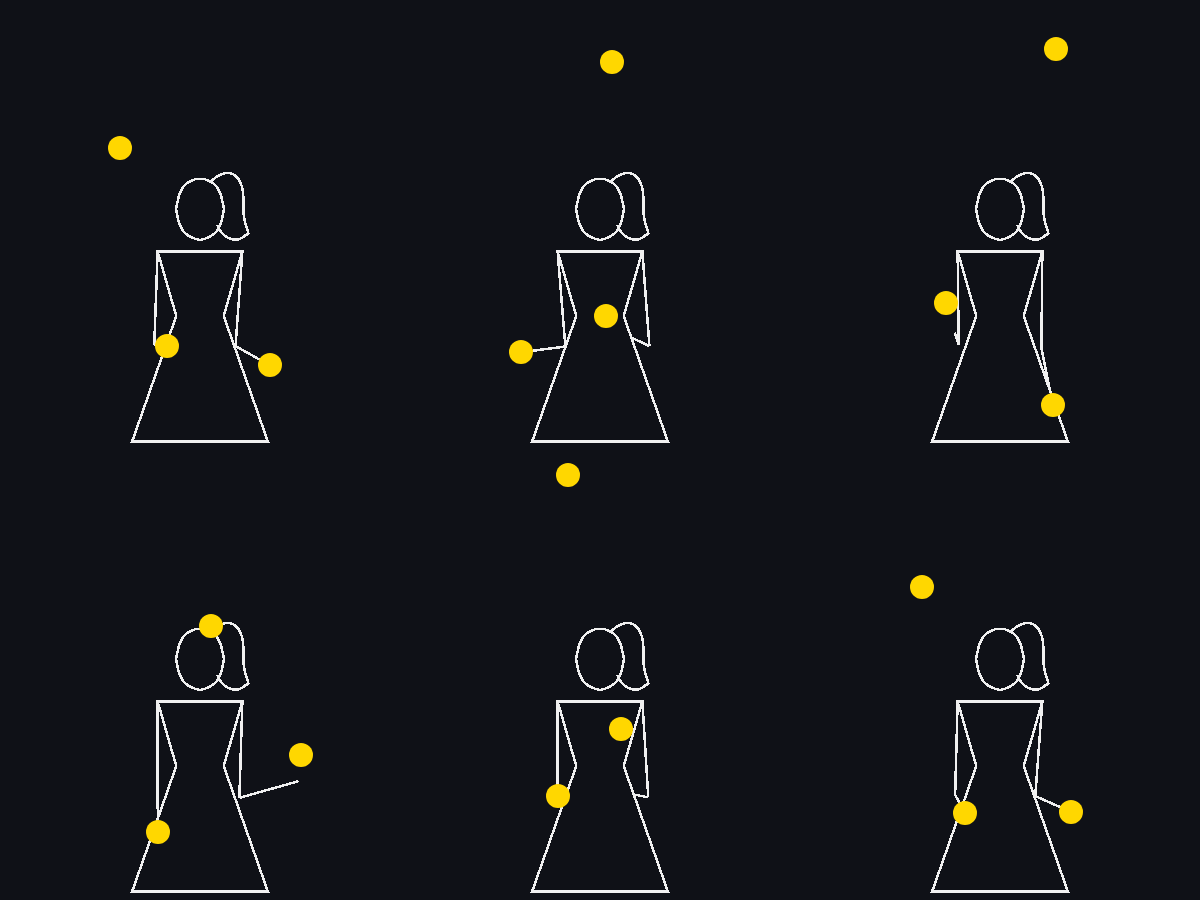
Siteswap 3
The foundation. Three balls, two hands, one repeating arc. Every other pattern is built from understanding this one first.
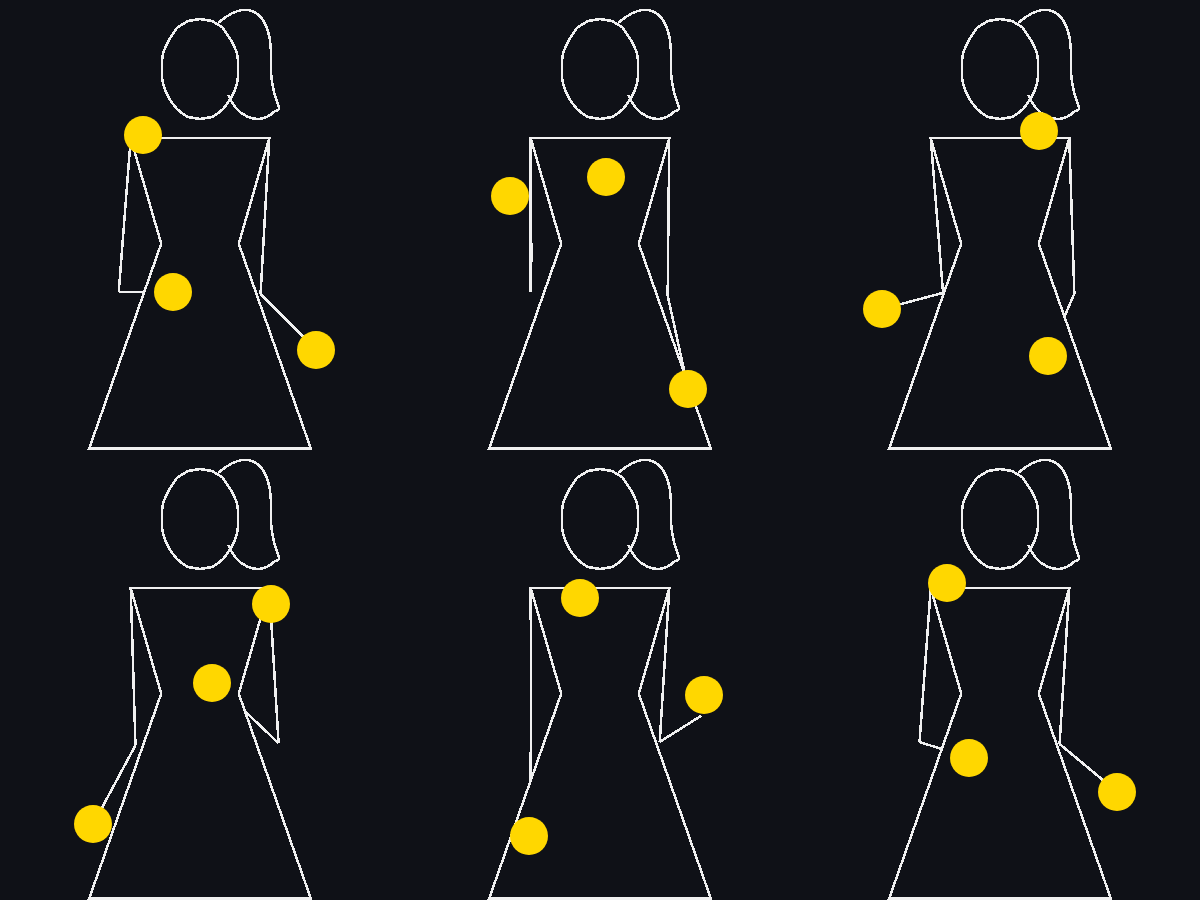
Siteswap 531
Asymmetric beauty. High throw, low throw, hold. Three different timing windows in one cycle.
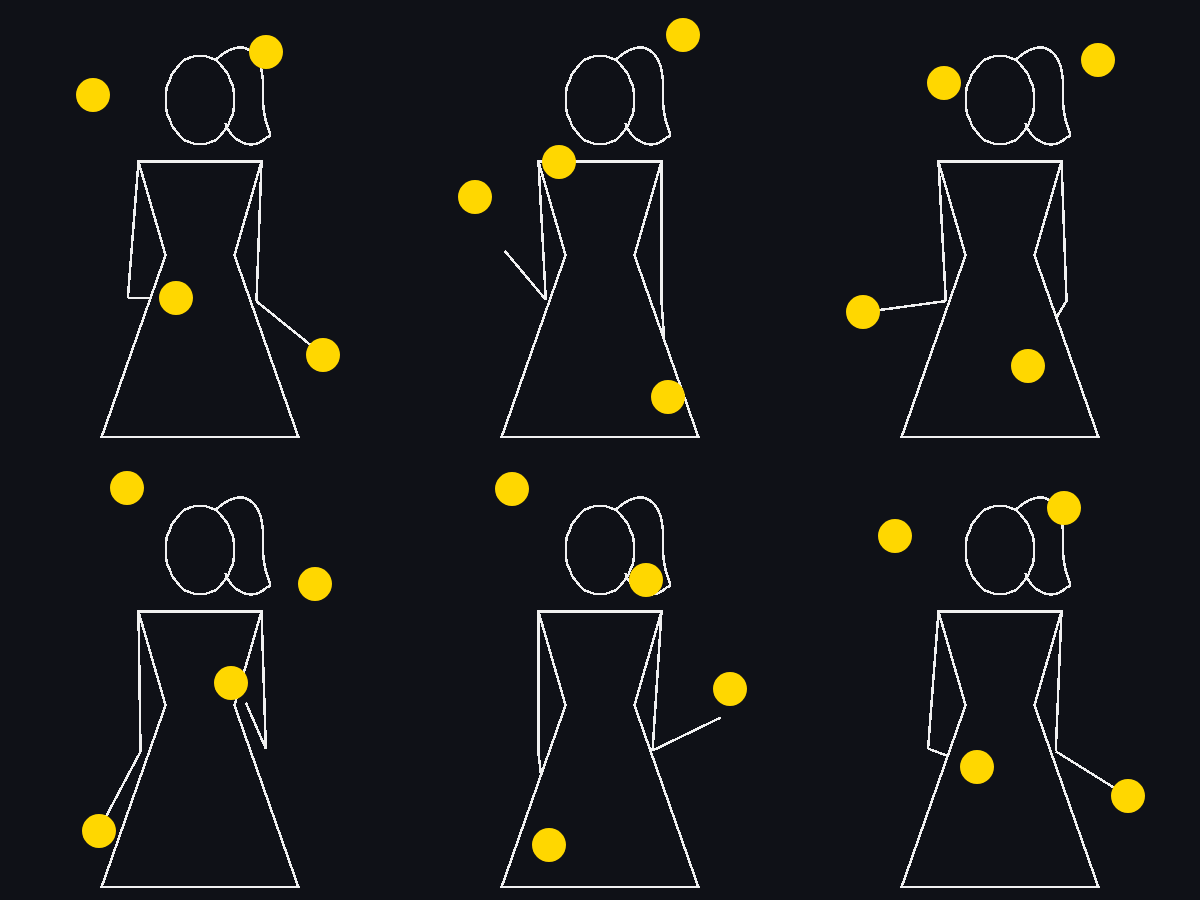
Siteswap 4
Four balls, two in each hand. Independent columns - each hand runs its own loop, no crossing.
Siteswap notation: each digit = how many beats before that prop is thrown again. Odd numbers cross to the opposite hand. Even numbers return to the same hand.
The one thing juggling has that most skills don't
Basketball rewards height. Ballet has historically demanded a specific body type. Team sports need coordination with others. Distance running punishes old injuries. Swimming requires access to water. Almost every skill you might want to learn comes with a gatekeeping requirement - real or assumed - standing in front of it.
Juggling has none of these. You can juggle short or tall, young or old, with your hands, your feet, or a headband. Sitting in a wheelchair. After surgery. At eight or at eighty. The pattern works the same for everyone, because the only requirement is that you try.
It's been used with orphaned children to teach them what success feels like for the first time. With refugees building resilience after trauma. With older adults - 50s, 60s, 70s - who assumed that their brains had stopped growing. All of them were wrong about what they were capable of.
"When you juggle, you are enough."
Not because you've met a standard. Because juggling has no standard to meet.
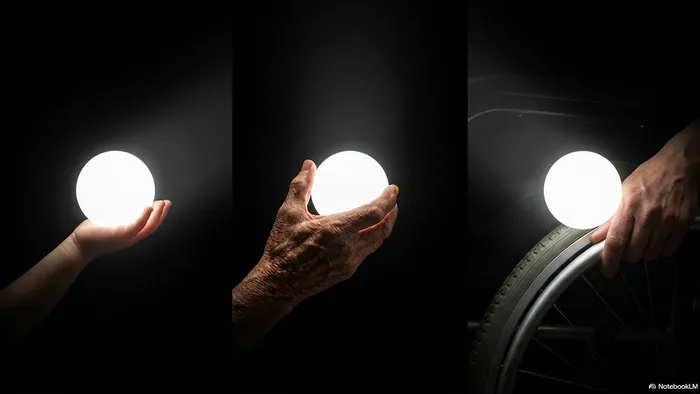 AI-generated
Grey matter grows
Three months of juggling produces measurable grey matter growth in visual and motor areas of the brain. The effect holds even in adults aged 50–67 - regions thought to be fixed.
Draganski et al., Nature, 2004 · Boyke et al., Journal of Neuroscience, 2008
Anxiety and depression
Regular juggling practice significantly reduces anxiety and depression scores. Studies on medical students during high-stress exam periods found measurable improvements after only weeks of practice.
Nakahara et al., BioPsychoSocial Medicine, 2007 · Zainaldeen et al., 2018
Reaction time
Juggling training improves reaction time by 20–25%. These reflexes aren't abstract - they transfer directly to daily life. Something tips over on a shelf, and your hands are already there.
Malik et al., International Journal of Environmental Research and Public Health, 2022 (systematic review)
Community and resilience
Circus and juggling programs have been shown to build resilience and a sense of belonging in at-risk youth and displaced communities - not as therapy, but as shared practice.
Fournier et al., Canadian Family Physician, 2014 · Van Es et al., Journal of Refugee Studies, 2019
Three pillars
Like additive light - each pillar has its own colour. The most interesting work happens where two or three combine. That's where the juggling happens.
Brain
What juggling does to grey matter, focus, and the way humans learn - backed by peer-reviewed neuroscience, not folklore.
Read the essayTech
Cloud architecture, AWS systems, and AI patterns - read through a juggler's lens of incremental load, graceful recovery, and knowing when to add a fourth ball.
Read the essayChange
How teams absorb new work, recover from drops, and build the muscle memory to stay stable under pressure. A ball in someone's hand is more honest than an iceberg diagram.
Read the essayWatch
From the blog
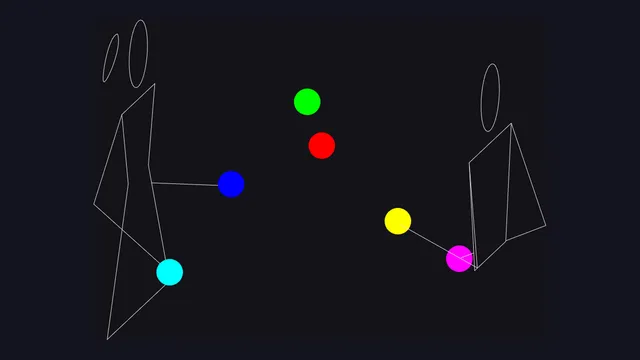
1 August 2026
TechChangeJuggling Lab, the open-source animator that powers the patterns on this site, now supports switchable juggler figures - a female figure alongside the classic stick figure, and you can even mix them in passing patterns. Here is what it looks like and how to switch it on.
Read more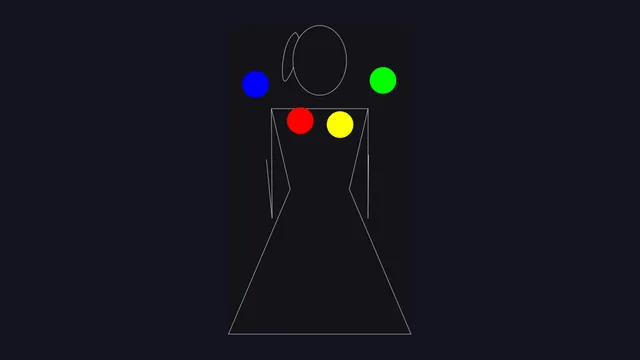
1 August 2026
TechFor nearly thirty years Juggling Lab drew one juggler, so it never needed a way to talk about figures in general. Adding a second one meant naming the first - a small lesson about when an abstraction earns its place.
Read moreWhere I am
71 locations on the map - performances, workshops, and places where the work has landed.
 AI-generated