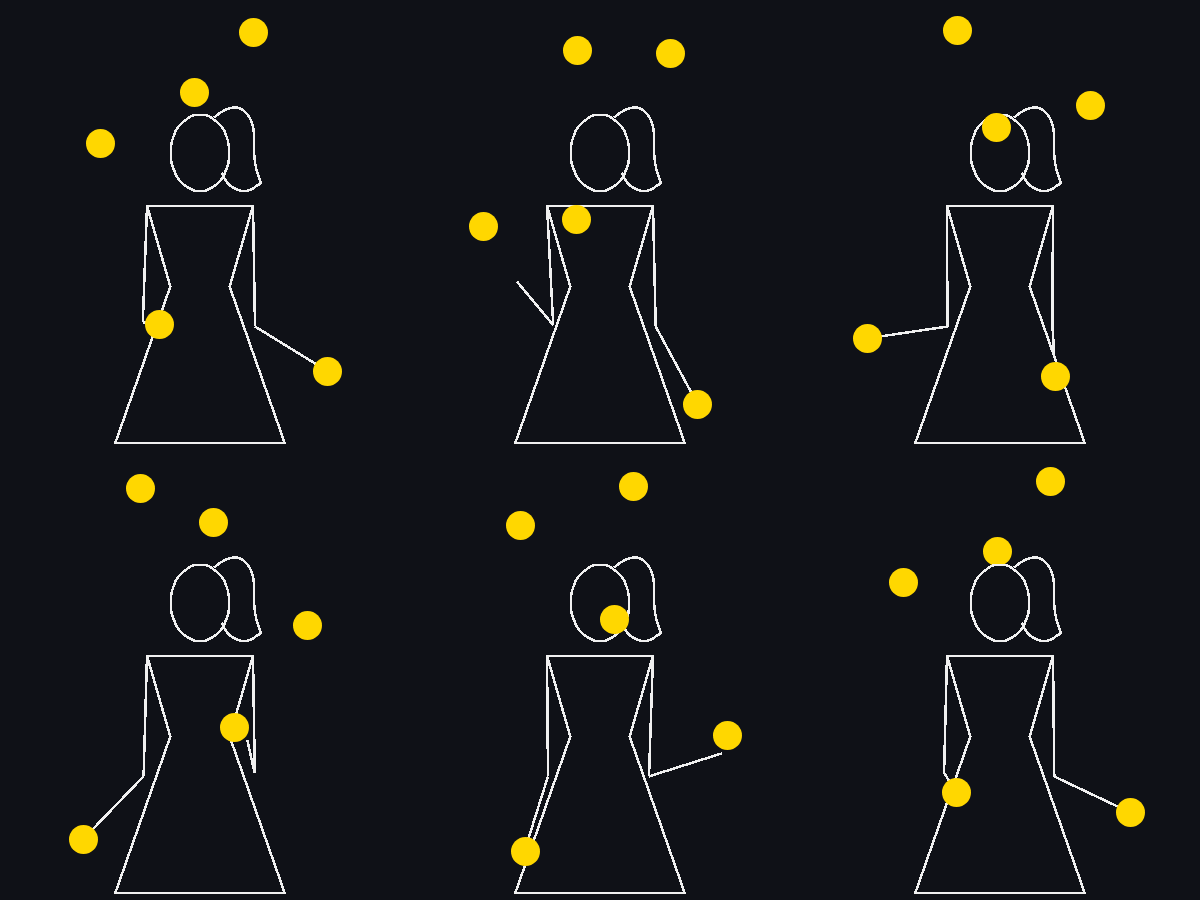
Siteswap 3
The Cascade
The pattern that grew grey matter in both hemispheres. Three months. Measurable structural change.
Three months of juggling practice produces measurable structural changes in both hemispheres of the adult brain. Not self-reported. MRI. At any age.
3 months
to grow measurable grey matter
Draganski et al., Nature 2004
Both hemispheres
structural change, bilaterally
Mid-temporal cortex, visual motion
Ages 50-67
neuroplasticity confirmed
Boyke et al., Journal of Neuroscience 2008
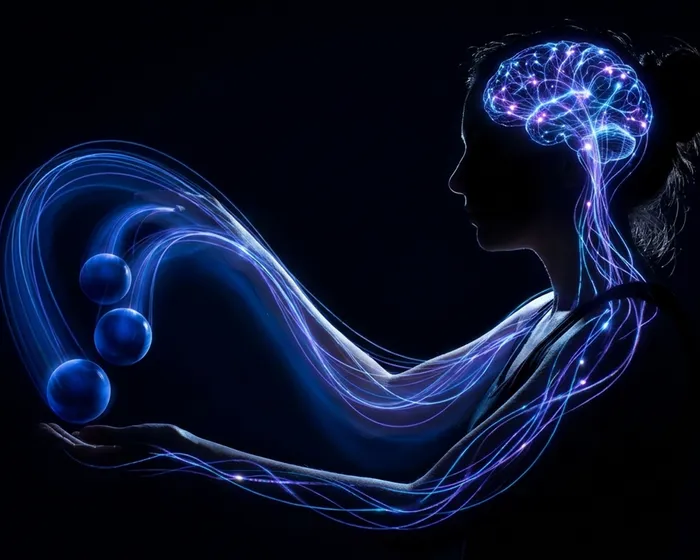 AI-generated
The research
The Draganski et al. study (Nature, 2004) recruited 24 non-jugglers. Half trained to juggle a three-ball cascade for three months. MRI scans before and after showed measurable gray matter increases in the mid-temporal cortex - the region that processes visual motion in all contexts, not only juggling.
When participants stopped practicing, the gray matter partially receded. The brain built the tissue in response to the demand and withdrew it when the demand stopped. Use it or lose it, measured at the tissue level.
The mid-temporal cortex does not process juggling. It processes visual motion - all visual motion. The juggler who grew this region did not develop a juggling-specific brain improvement. They developed enhanced capacity for anything that moves through their visual field.
Juggling is unusual because it simultaneously demands multi-object visual tracking, bilateral motor coordination, anticipatory error correction, and tolerance for the in-between state. This combination of simultaneous demands is what drives the adaptation.
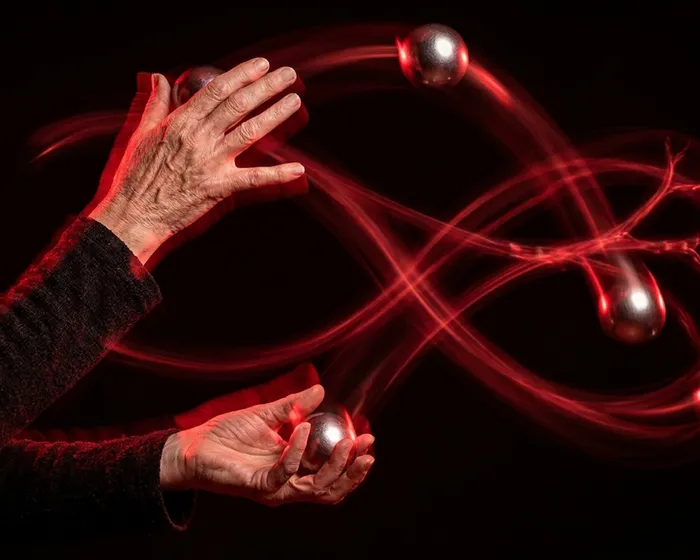
For most of the 20th century, the dominant neuroscience model held that the adult brain structure was largely fixed. Boyke et al. (2008) ran the same juggling protocol with adults aged 50-67, specifically because this was the age range where neural fixity was assumed to be strongest.
The effect held. Same region. Same bilateral change. Same magnitude. The assumption was the problem. The brain was not fixed. It was waiting to be asked.
 AI-generated
 AI-generated
The T-shape model says depth and breadth are parallel tracks. The tree model shows something different: genuine depth in the right kind of skill generates breadth without being designed to. The root grows the branches.
Multi-object visual tracking. Anticipatory error correction. Bilateral motor coordination. Tolerance for the in-between state. Each of these capacities transfers to domains that have nothing to do with balls.
Visual tracking
Debugging concurrent log streams
Anticipatory planning
Managing parallel workstreams
Bilateral coordination
Keyboard + mouse simultaneously
Gap tolerance
Async systems waiting for callbacks
The three-ball cascade (siteswap 3) is the pattern studied in the neuroplasticity research. Three months of this pattern produced measurable gray matter growth in 24 adults.
Siteswap 3
The pattern that grew grey matter in both hemispheres. Three months. Measurable structural change.
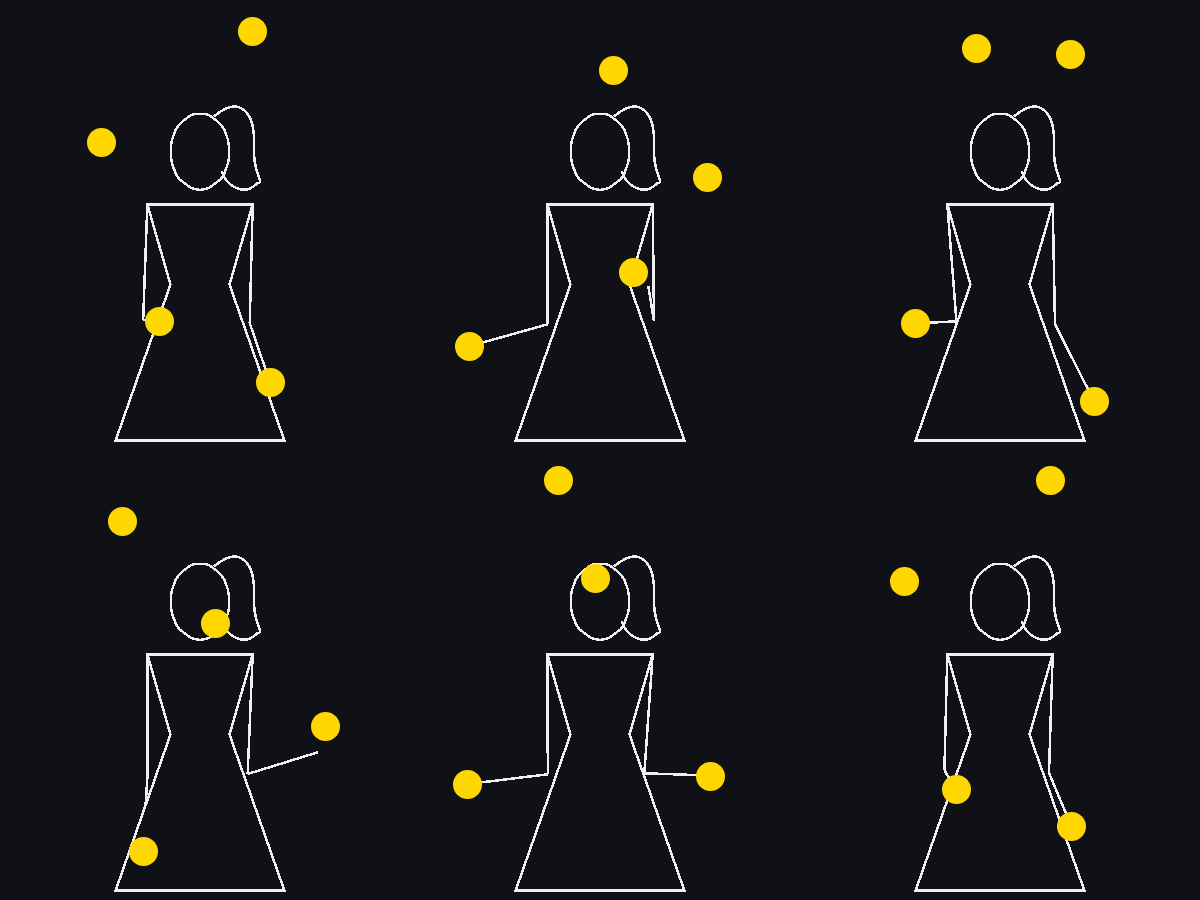
Siteswap 5
Same pattern, higher load. More anticipation required. The brain that can run this has more to work with.
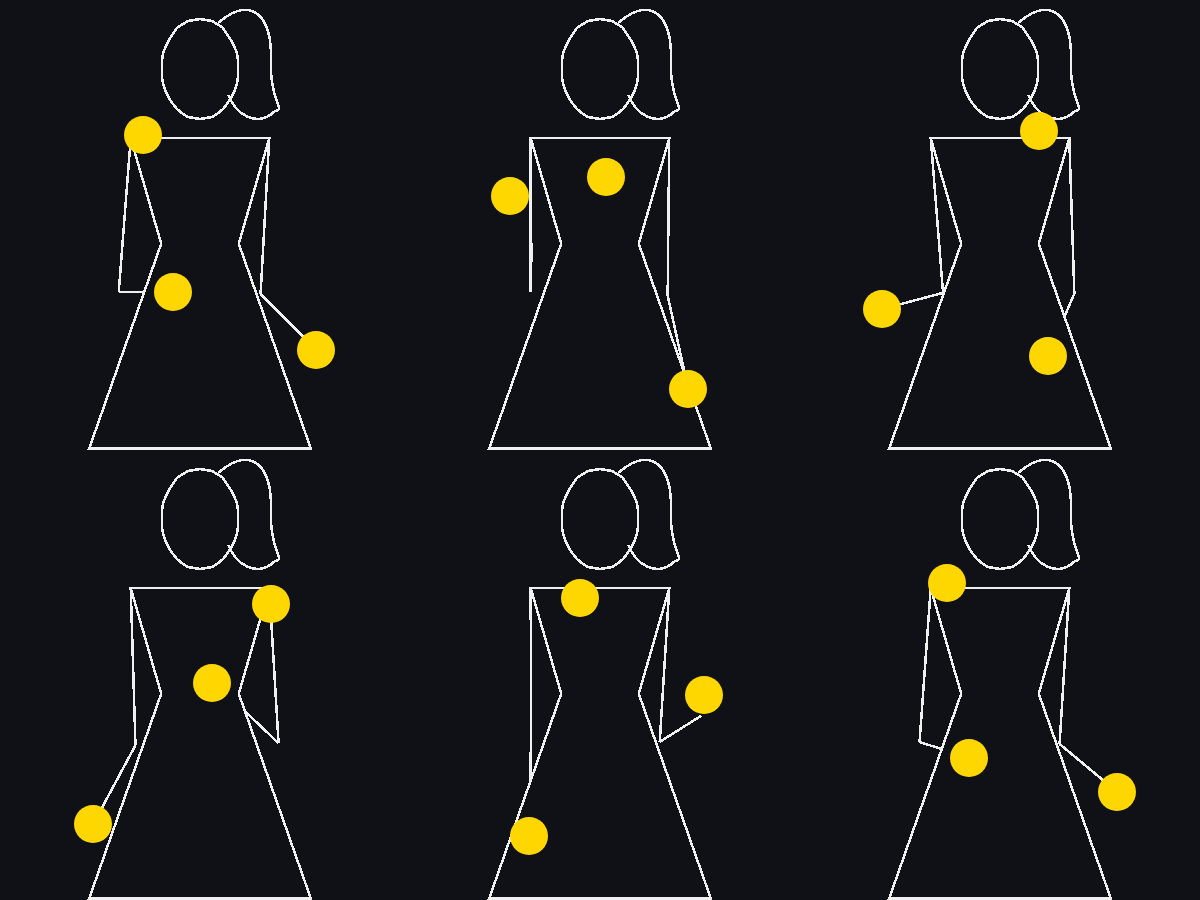
Siteswap 552
Two highs and a pause. The brain schedules both 5s while managing the 2. Anticipatory processing across three timing windows.
The image shows a side profile silhouette with a lit, glowing brain and three blue balls flowing outward in an arc. The throw begins inside. The neural planning precedes the physical release by 200 milliseconds. Everything the hands do, the brain decided to do first.
ReadThe image shows elderly hands juggling, with red infinity light trails looping between them. The wrinkles are not hidden. The pattern is the same - the same arc, the same weight, the same orbit. The research says what the image shows: the brain that has been practicing for decades is not done growing.
ReadThe image shows a woman from behind, golden light arcs tracing the cascade from her hands, and neural branch-like tendrils spreading from the back of her head. The arc outside and the network inside are the same image. The practice that changes what you can do also changes the structure of the organ that runs the practice.
Read